

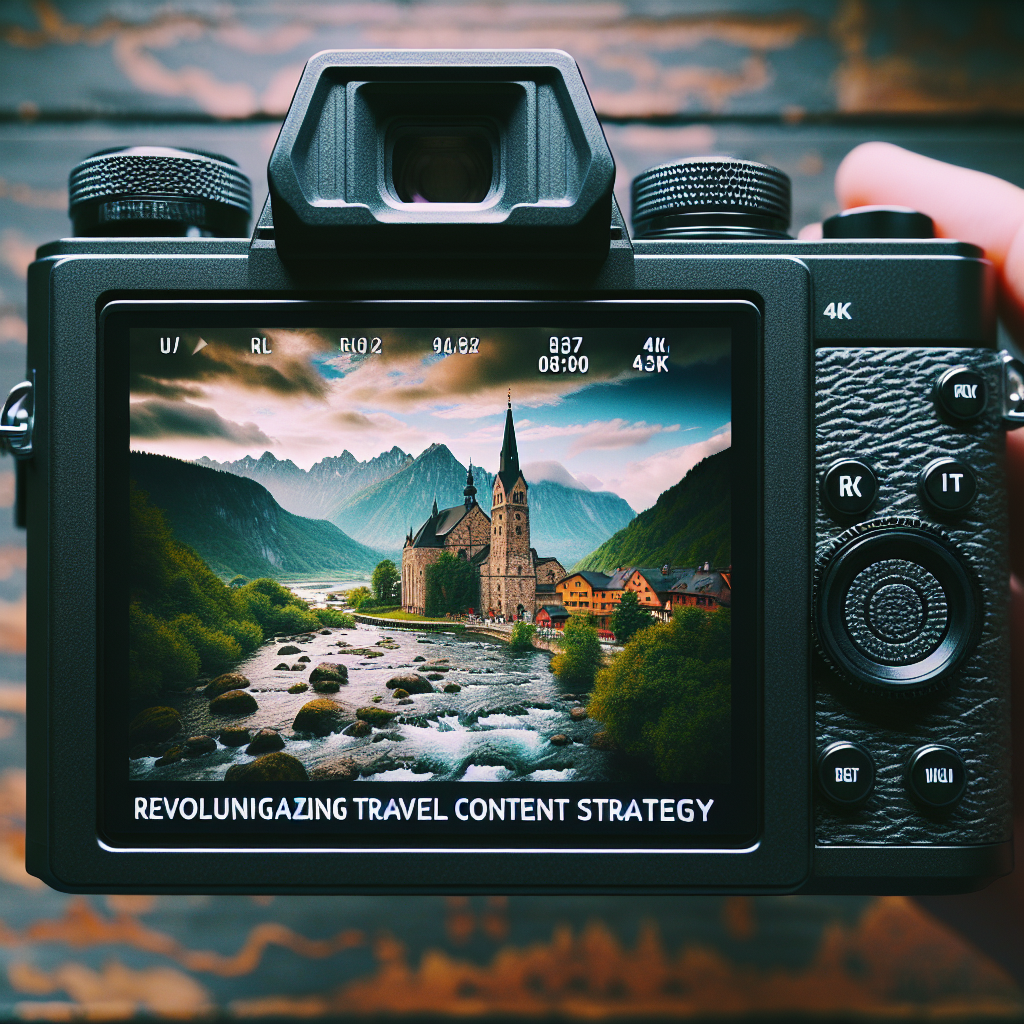
Understanding the Power of travel content optimization
In my experience exploring the world of travel blogging and content creation, I’ve discovered that travel content optimization is absolutely essential if I want to reach a wider audience and grow my online presence. When I first started, I underestimated how much proper SEO and strategic content planning could impact my engagement rates. It took some trial and error, but I’ve found that focusing on travel content optimization has transformed my results dramatically.
From what I’ve learned, travel content optimization isn’t just about sprinkling keywords randomly; it’s about understanding my audience, creating valuable content, and then optimizing every element to boost discoverability. I want to share what I’ve learned along the way so you can revolutionize your own travel content strategy and see real growth. In this article, I’ll walk you through proven techniques for travel content optimization that have worked wonders for me and many other content creators.
Key Techniques for Effective travel content optimization
Creating High-Quality, Keyword-Rich Content
In my experience, the foundation of effective travel content optimization begins with producing high-quality content that naturally incorporates keywords. I’ve discovered that when I craft engaging stories about my travels and weave in relevant keywords like travel content optimization, I attract more traffic. I recommend researching long-tail keywords related to my niche and including them seamlessly within my posts.
From what I’ve seen, overstuffing keywords can hurt my rankings, so I focus on maintaining a natural flow. I also make sure my content provides real value—tips, personal anecdotes, and practical insights—so readers stay engaged. I’ve found that this approach not only boosts my SEO but also enhances my credibility as a travel content creator. Consistently optimizing my content with targeted keywords helps me stay competitive and visible in search results.
Using Visuals and Media to Boost Engagement
I’ve discovered that incorporating eye-catching visuals is a game-changer for travel content optimization. Photos, videos, and infographics make my content more attractive and shareable. I recommend optimizing all media files with descriptive alt text that includes relevant keywords, such as travel content optimization keywords, to improve SEO.
From my research, well-optimized visuals not only improve user experience but also help my content rank higher in image searches. I’ve also experimented with embedding maps and interactive elements to encourage longer site visits. These enhancements keep my audience engaged and signal to search engines that my content is valuable and comprehensive, which is crucial for travel content optimization.
Optimizing Titles, Meta Descriptions, and Headers
In my experience, a compelling title paired with a well-crafted meta description is vital for travel content optimization. I always include my main keywords, like travel content optimization, in these elements to improve click-through rates. Crafting clear, enticing headers helps both search engines and readers navigate my content easily.
From what I’ve learned, using descriptive headers with relevant keywords allows me to organize my content better and target multiple search queries. I recommend reviewing Google’s best practices for meta tags and headers, ensuring each page is fully optimized. This way, I increase my chances of ranking higher and attracting the right audience interested in my travel stories and tips.
Leveraging SEO Strategies in travel content optimization
Keyword Research and Placement
I’ve found that thorough keyword research is the backbone of successful travel content optimization. I use tools like Google Keyword Planner and SEMrush to identify high-volume, relevant keywords, including variations of travel content optimization. Once I have my keywords, I strategically place them in titles, headers, and throughout my content, aiming for a natural density of about 2-3%.
From my experience, proper keyword placement helps search engines understand my content’s relevance. I make sure not to overdo it, as keyword stuffing can harm my rankings. Instead, I focus on creating informative and engaging content that naturally incorporates these keywords, which benefits both my SEO and my audience’s reading experience.
Building Quality Backlinks
In my journey with travel content optimization, I’ve learned that backlinks from reputable sites significantly boost my authority. I recommend reaching out to other bloggers, travel forums, and industry websites for collaborations or guest posting opportunities. When I’ve secured backlinks from high-authority sources, I notice a clear improvement in my search rankings.
From what I’ve gathered, creating shareable content increases the likelihood of earning backlinks organically. I also make a habit of promoting my travel content on social media and online communities, which helps attract backlinks and traffic. Combining these strategies has been instrumental in strengthening my site’s SEO with travel content optimization.
Technical SEO and Site Optimization
I believe that technical SEO is an often overlooked but crucial aspect of travel content optimization. I’ve ensured my website loads quickly, is mobile-friendly, and has a clear site structure. These factors improve user experience and help search engines crawl my site more efficiently.
From my research, implementing schema markup and ensuring proper URL structures can further enhance my SEO efforts. I recommend using tools like Google Search Console to identify and fix technical issues. When my site is technically optimized, it creates a solid foundation for all other SEO efforts, making my travel content optimization strategies more effective.
Measuring Success and Adjusting Your Strategy
In my experience, tracking the performance of my travel content optimization efforts is essential for continued growth. I use analytics platforms like Google Analytics and Search Console to monitor traffic, bounce rates, and keyword rankings. These insights help me understand what’s working and where I need to improve.
From what I’ve learned, I recommend setting clear goals, such as increasing organic traffic or engagement, and regularly reviewing your metrics. Based on these insights, I tweak my content, update keywords, and experiment with new strategies. Staying adaptable ensures I keep evolving my travel content optimization techniques for sustained growth.
References and Resources
Throughout my research on travel content optimization, I’ve found these resources incredibly valuable. I recommend checking them out for additional insights:
Authoritative Sources on travel content optimization
-
Moz’s Beginner’s Guide to SEO
moz.comThis guide provides foundational SEO strategies, including keyword research and site optimization, which are essential for effective travel content optimization.
-
Search Engine Land
searchengineland.comA leading industry publication that shares the latest trends and tips for SEO and content marketing, including travel content optimization strategies.
-
Ahrefs Blog
ahrefs.comProvides in-depth guides on keyword research, backlink building, and SEO audits—crucial components of travel content optimization.
-
Neil Patel’s Blog
neilpatel.comOffers practical advice on content marketing and SEO tactics that I’ve personally found effective in improving my travel content optimization.
-
Search Engine Journal
searchenginejournal.comA trusted source for SEO updates and strategies, helping me stay current with travel content optimization best practices.
-
HubSpot Blog
hubspot.comProvides insights into content marketing strategies that complement travel content optimization efforts, focusing on engagement and growth.

-
Content Marketing Institute
contentmarketinginstitute.comOffers research and strategies on content marketing, including travel content optimization tactics that I incorporate into my planning.
Frequently Asked Questions
What is travel content optimization?
In my experience, travel content optimization involves refining your travel-related content to improve visibility in search engines, attract more visitors, and engage your audience effectively. It includes keyword research, on-page SEO, multimedia use, and technical site improvements to make your content more discoverable and valuable.
How can I improve my travel content optimization strategy?
From what I’ve learned, improving your strategy involves thorough keyword research, creating quality content that resonates with your audience, optimizing your titles and meta descriptions, and building backlinks. Regularly analyzing your performance and adjusting your tactics ensures continuous growth in your travel content optimization efforts.
What tools are best for travel content optimization?
I recommend tools like Google Analytics, SEMrush, Ahrefs, and Yoast SEO. These help me track my traffic, identify keyword opportunities, analyze backlinks, and optimize my website’s technical aspects—all crucial components of travel content optimization.
How do I measure success in travel content optimization?
In my experience, success is measured by increased organic traffic, higher search engine rankings, longer user engagement, and more backlinks. Monitoring these metrics with analytics tools helps me see how well my travel content optimization efforts are paying off and what I should refine.
Conclusion
In conclusion, my research on travel content optimization has shown that a strategic, well-rounded approach is key to growing your audience and increasing engagement. From creating high-quality content integrated with relevant keywords to technical SEO and ongoing performance analysis, every step plays a vital role. I hope this guide helps you understand how to leverage travel content optimization techniques to revolutionize your travel content strategy and achieve sustainable growth. Based on my experience, implementing these proven techniques has the potential to elevate your travel brand and connect you with a global audience.

Find out more information about “travel content optimization”
Search for more resources and information:



Comments are closed