

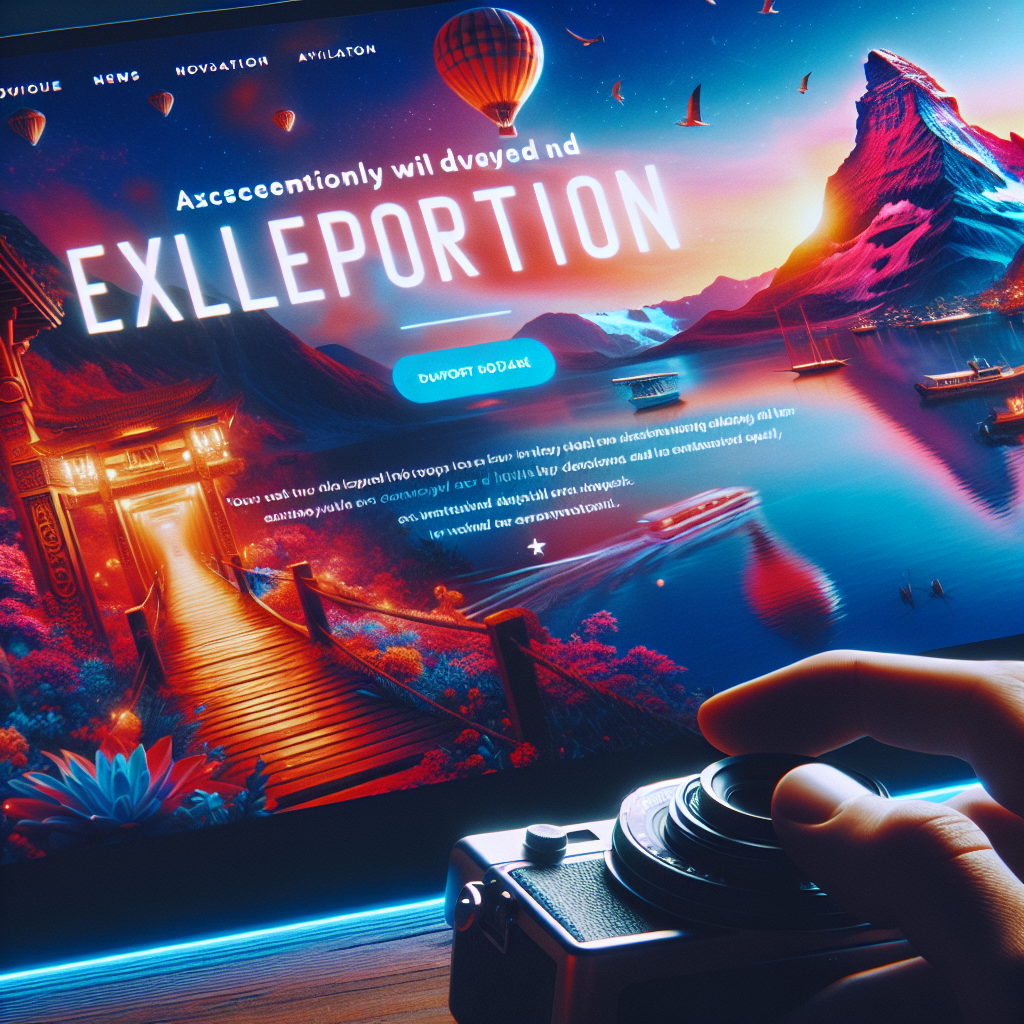
In my experience with digital marketing and travel promotion, I’ve been researching how travel landing pages can truly make a difference in attracting and retaining travelers. I want to share what I’ve learned about crafting these pages to turn casual visitors into loyal explorers. From what I’ve discovered, well-designed travel landing pages aren’t just about pretty visuals—they’re about creating an experience that resonates and motivates action.
Over the years, I’ve found that the success of travel landing pages hinges on their ability to communicate value quickly and convincingly. I believe that when these pages are thoughtfully crafted, they can significantly boost bookings and foster long-term loyalty. That’s why I want to delve into the elements that make travel landing pages effective and how you can optimize your own to attract more explorers.
The Power of Effective Travel Landing Pages
Understanding the Role of Travel Landing Pages
From my research, I’ve learned that travel landing pages serve as the digital storefront for travel brands, destinations, and tour operators. They’re the first impression a potential traveler has of your offerings. In my experience, a well-structured travel landing page can significantly increase conversion rates by providing clarity and compelling reasons to explore further.
I’ve discovered that the best travel landing pages are those that balance aesthetics with functionality. They guide visitors seamlessly from curiosity to booking, all while building trust and excitement about the journey ahead. If you want to turn visitors into loyal explorers, investing in your travel landing pages is essential.
Why Travel Landing Pages Are Critical for Conversion
In my experience, the most effective travel landing pages are those that focus on user intent. I’ve found that understanding what your visitors are looking for—and addressing it directly—is crucial. Whether it’s adventure, relaxation, or cultural exploration, your landing page should speak to these desires clearly.
I recommend personalizing the content and visuals on your travel landing pages to match your target audience’s preferences. When done right, these pages don’t just inform—they inspire action and loyalty. That’s the power I believe a well-designed travel landing page holds.
Key Elements of High-Converting Travel Landing Pages
Captivating Visuals and Clear Messaging
One thing I’ve learned is that visuals are king on travel landing pages. I’ve seen how stunning images of destinations can evoke emotions and spark wanderlust instantly. In my experience, pairing captivating photos with concise, compelling headlines makes visitors want to learn more.
From my research, I recommend using high-quality images that tell a story. Your messaging should be straightforward and focused on benefits. When visitors immediately understand what you’re offering and why it’s special, they’re more likely to convert into explorers.
Strong Call-to-Action (CTA)
I’ve discovered that a clear and prominent CTA is essential on travel landing pages. Whether it’s “Book Now,” “Discover Your Adventure,” or “Plan Your Trip,” your CTA should stand out and motivate visitors to take the next step. In my opinion, a compelling CTA combined with persuasive content can dramatically improve conversion rates.
From what I’ve learned, testing different CTA placements and wording helps find what resonates best with your audience. I recommend making your CTA accessible and easy to find—after all, it’s the bridge between interest and commitment.
Social Proof and Trust Signals
In my experience, adding testimonials, reviews, and trust badges on travel landing pages builds credibility. I’ve found that travelers want reassurance that they’re making the right choice. Sharing positive experiences and certifications can tip the scales in your favor.
I believe that integrating social proof seamlessly into your travel landing pages not only enhances trust but also encourages visitors to become loyal explorers who return for their next adventure.
Design Strategies to Engage and Convert Visitors
Prioritize User Experience and Mobile Optimization
In my experience, a user-friendly design is the foundation of successful travel landing pages. I recommend keeping navigation simple and intuitive. Over time, I’ve learned that most travelers browse on mobile devices, so mobile responsiveness is non-negotiable.
From what I’ve seen, a responsive travel landing page ensures a seamless experience, reducing bounce rates and increasing conversions. I suggest testing your pages across devices regularly to optimize performance and usability.
Use Personalization and Dynamic Content
I’ve discovered that personalization can elevate your travel landing pages. When I add dynamic content that reflects visitor behavior or preferences, it resonates more deeply. For example, showing tailored suggestions based on browsing history or location makes the experience more relevant.
I recommend leveraging tools that allow you to personalize content without overwhelming visitors. In my opinion, this approach helps build loyalty because travelers feel understood and valued.
Implement Effective Visual Hierarchy
From my experience, guiding visitors’ eyes through a logical visual hierarchy makes a big difference. I’ve found that using size, color, and placement strategically can emphasize key messages and CTAs. This helps visitors focus on what’s most important and take action.
I believe that a clean, well-organized travel landing page reduces confusion and encourages exploration, ultimately turning visitors into loyal explorers.
Common Mistakes to Avoid in Travel Landing Pages
Overloading with Information
In my experience, too much information on travel landing pages can overwhelm visitors and cause them to leave. I recommend keeping content concise and focused on the most compelling benefits. Less is often more when it comes to persuasive design.
I’ve found that highlighting key points and offering easy access to detailed info through links or expandable sections helps maintain engagement without clutter.

Neglecting Loading Speed and Optimization
From what I’ve learned, slow-loading pages are a major turnoff for travelers. I recommend optimizing images and scripts to ensure quick load times. In my experience, a fast travel landing page improves user experience and boosts conversions.
I suggest regularly testing your page speed and making adjustments as needed to keep visitors engaged and eager to explore your offers.
Ignoring Analytics and Feedback
I believe that continuous improvement is key. I’ve discovered that monitoring analytics and gathering user feedback on travel landing pages help identify areas for enhancement. Without data, it’s hard to know what’s working or what needs change.
I recommend setting up tracking tools and listening to your audience to refine your pages and increase loyalty among travelers.
References and Resources
Throughout my research on travel landing pages, I’ve found these resources incredibly valuable. I recommend checking them out for additional insights:
Authoritative Sources on travel landing pages
-
Optimizing Travel Landing Pages for Maximum Impact
searchenginejournal.comThis article offers practical tips on designing travel landing pages that convert, emphasizing user experience and SEO strategies.
-
Travel Website Design Best Practices
hubspot.comA comprehensive guide on user-centric design principles that I believe are vital for travel landing pages.
-
Digital Marketing for Travel Brands
forbes.comInsights on marketing strategies that can boost the effectiveness of your travel landing pages.
-
Travel Web Design Inspiration
adobe.comVisual inspiration and examples of engaging travel landing pages that I believe can spark your creativity.
-
Neil Patel’s Guide to Travel Landing Pages
neilpatel.comActionable tips from a marketing expert on creating travel landing pages that convert visitors into loyal customers.
-
Official HTML Documentation
w3.orgA technical resource for ensuring your travel landing pages are built with clean, accessible code.
-
Statista Travel & Tourism Data
statista.comUseful statistics to understand traveler behavior and preferences, helping shape your travel landing pages strategy.
Frequently Asked Questions
How do I create a high-converting travel landing page?
In my experience, creating a high-converting travel landing page involves focusing on clear messaging, stunning visuals, and a strong call-to-action. I recommend understanding your audience’s desires and designing your page to address their needs directly. Testing different elements like headlines, images, and buttons can help optimize performance over time.
What are the key elements of effective travel landing pages?
From my perspective, key elements include captivating visuals, persuasive copy, a prominent CTA, social proof, and a clean layout. Ensuring the page loads quickly and is mobile-friendly is also crucial. When these components work together, they create an engaging experience that encourages visitors to become loyal explorers.
How can I improve my travel landing pages for better conversions?
I recommend analyzing visitor behavior and gathering feedback to identify bottlenecks. Personalizing content and optimizing your design for mobile devices also make a huge difference. In my experience, continuous testing and refinement of your travel landing pages lead to better engagement and loyalty.
Why are travel landing pages important for building customer loyalty?
In my opinion, travel landing pages are the first impression and the ongoing touchpoint for your brand. When they’re well-designed, informative, and inspiring, they foster trust and excitement. This positive experience encourages travelers to return for future adventures and recommend your services to others.
Conclusion
In conclusion, my research on travel landing pages has shown that they are a vital component of any successful travel marketing strategy. When designed with purpose and precision, these pages can transform casual visitors into loyal explorers who keep coming back for more adventures. I hope this guide helps you understand the importance of effective travel landing pages and inspires you to optimize your own for maximum impact.

Find out more information about “travel landing pages”
Search for more resources and information:



Comments are closed