

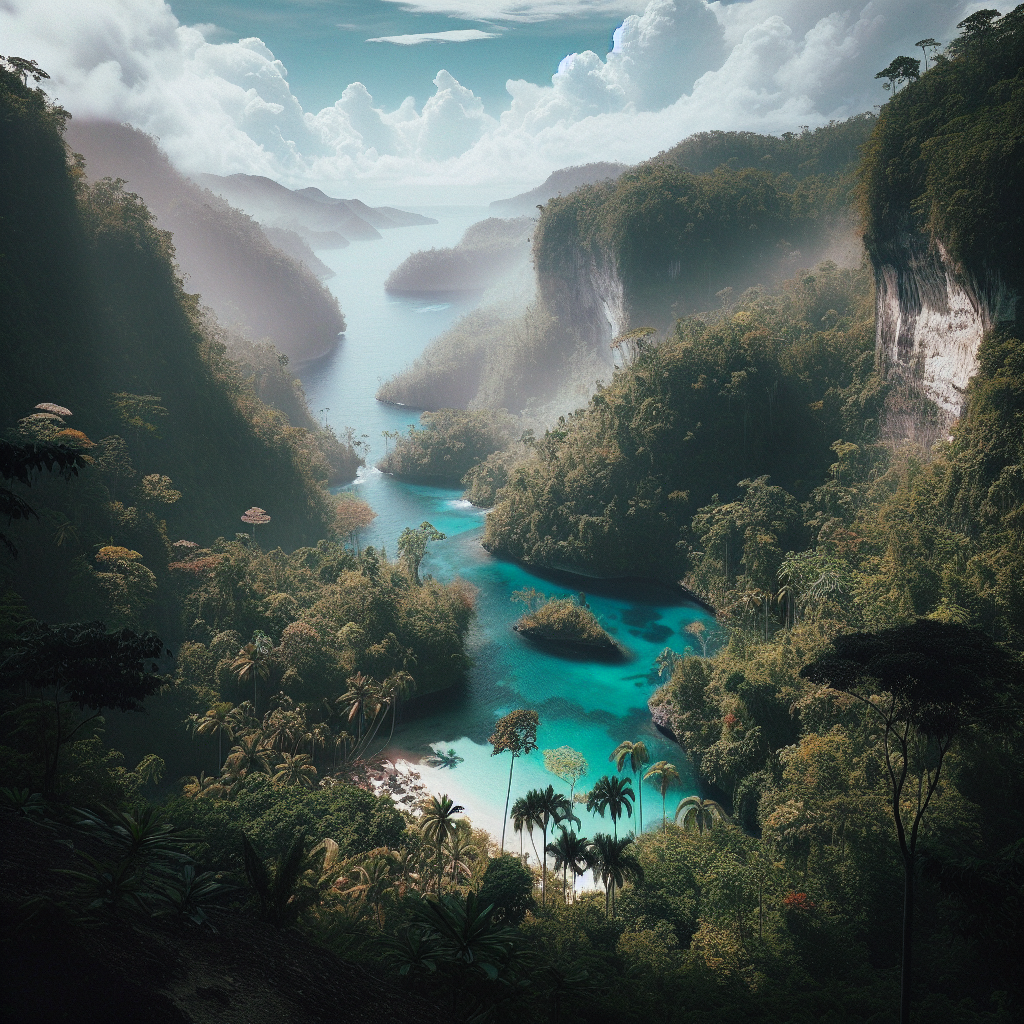
Introduction to Jamaica’s Natural Beauty
In my experience with Jamaica nature and wildlife, I’ve been captivated by the island’s incredible diversity of ecosystems and vibrant fauna. When I first visited, I was amazed at how lush and alive everything felt—from the dense rainforests to the crystal-clear waters. I want to share what I’ve learned about the enchanting ecosystems that make Jamaica a true paradise for adventure lovers and conservation enthusiasts alike.
From what I’ve researched, Jamaica nature and wildlife form the backbone of the island’s appeal, offering countless opportunities to explore nature’s wonders. I believe that understanding these ecosystems not only enriches our travel experience but also deepens our appreciation for preserving this natural paradise. I hope this guide helps you discover the magic that I’ve found in Jamaica’s diverse and vibrant environment.
Exploring Jamaica’s Unique Ecosystems
Jamaica’s Tropical Rainforests
One of the first things I discovered about Jamaica nature and wildlife is the richness of its rainforests. I’ve personally wandered through the Blue and John Crow Mountains, where the canopy is teeming with life. These forests are home to countless species of plants, birds, and insects, many of which are endemic to Jamaica. From my experience, the lush greenery and towering trees create an immersive environment perfect for hiking and birdwatching.
In my research, I’ve found that Jamaica’s rainforests are crucial for maintaining the island’s ecological balance. I recommend exploring places like the Cockpit Country, where you can witness firsthand the raw beauty of this ecosystem. I’ve seen rare orchids and heard the calls of the Jamaican Woodpecker, making every trek an adventure into nature’s hidden treasures.
Coral Reefs and Marine Ecosystems
In my experience, the marine ecosystems surrounding Jamaica are just as mesmerizing as its forests. I’ve snorkeled in the vibrant coral reefs of Montego Bay and Negril, and the kaleidoscope of marine life is simply breathtaking. These coral reefs are bustling with colorful fish, sea turtles, and even occasional rays, which I found to be incredible encounters. From what I’ve learned, these ecosystems are vital for both marine biodiversity and local livelihoods.
I recommend taking a guided snorkeling or diving tour to truly appreciate Jamaica nature and wildlife beneath the surface. It’s a dream for any adventure seeker or conservationist interested in protecting these fragile habitats, and I believe supporting eco-friendly tours helps ensure these ecosystems thrive for generations to come.
Coastal Mangroves and Wetlands
From my research, I’ve come to understand that Jamaica’s mangroves and wetlands are essential nurseries for many marine species. I’ve visited the Black River in the south, where the mangroves provide a peaceful sanctuary for wildlife. I’ve enjoyed boat tours that give a close-up view of herons, crocodiles, and countless fish darting through the roots. These ecosystems are often overlooked but are fundamental to the health of the island’s overall environment.
I recommend exploring these wetlands with local guides who emphasize conservation efforts. In my experience, understanding the importance of mangroves deepens our connection to Jamaica’s Jamaica nature and wildlife and highlights the need for ongoing protection initiatives.
Wildlife Encounters You Can’t Miss
Endemic Birds of Jamaica
I’ve discovered that Jamaica is a birdwatcher’s paradise, especially when it comes to endemic species. During my visits, I’ve had the privilege of spotting the Jamaican Tody and the Doctor Bird, both of which are unique to the island. These colorful birds are not just beautiful—they also symbolize the vibrant Jamaica nature and wildlife scene.
From my experience, I recommend visiting bird sanctuaries like the Blue Mountains Bird Sanctuary, where I’ve learned about the importance of protecting these species. Observing these birds in their natural habitat is a reminder of how delicate and precious Jamaica’s ecosystems are.
Jamaican Reptiles and Amphibians
In my research, I’ve found that Jamaica is home to a variety of fascinating reptiles and amphibians, including the Jamaican Iguana and the mountain coqui frog. I’ve had the chance to see some of these creatures during eco-tours in the rainforests, and I was amazed at their adaptations and behaviors. These animals are integral parts of the island’s Jamaica nature and wildlife ecosystem, often playing key roles in controlling pests and maintaining ecological balance.
I recommend visiting wildlife reserves like the Long Pond Biodiversity Park, where I’ve observed these species in protected environments. It’s an eye-opening experience that underscores the importance of conservation programs focused on Jamaica’s unique fauna.
Marine Life and Sea Turtles
One of my most memorable moments was swimming alongside sea turtles in Jamaica’s protected waters. I’ve found that the coastal areas, especially around the Montego Bay Marine Park, are some of the best places to encounter these gentle creatures. The marine life here is abundant, and I’ve seen species I didn’t even know existed.
I recommend supporting sustainable snorkeling tours that prioritize marine conservation. Based on my experience, these tours help protect Jamaica nature and wildlife and ensure future generations can enjoy these incredible marine ecosystems.
Conservation Efforts and Sustainable Tourism
Protecting Jamaica’s Unique Ecosystems
From what I’ve learned, Jamaica has made significant strides in conservation, with initiatives aimed at protecting endangered species and fragile habitats. I’ve seen firsthand how local communities and organizations work together to preserve forests, reefs, and wetlands. These efforts are vital for maintaining the richness of Jamaica nature and wildlife.
I recommend supporting eco-friendly tourism and conservation programs. In my experience, responsible travel not only enhances your visit but also contributes directly to the sustainability of Jamaica’s ecosystems.
Sustainable Tourism Practices
In my travels around Jamaica, I’ve noticed how many resorts and tour operators now emphasize sustainable practices. From waste reduction to reef-friendly snorkeling gear, these initiatives are crucial for protecting Jamaica nature and wildlife. I believe that choosing eco-conscious options makes a difference, and I always seek out tours that prioritize conservation.
Supporting local conservation projects during your visit ensures that Jamaica’s ecosystems remain vibrant and resilient. I’ve found that engaging with these efforts deepens my connection to the island and its natural treasures.
Practical Tips for Experiencing Jamaica’s Nature
Best Places to Experience Jamaica’s Ecosystems
I recommend starting your adventure in the Blue Mountains, where I’ve enjoyed breathtaking hikes through cloud forests. The scenery is stunning, and you can spot various endemic birds and plants. For marine adventures, I suggest exploring the coral reefs off Negril or Montego Bay, which offer some of the best snorkeling and diving experiences.
From my experience, visiting protected areas like the Portland Bauxite and the Cockpit Country can give you a deeper appreciation of Jamaica’s Jamaica nature and wildlife. Planning your trip around these ecosystems guarantees a rich, immersive experience.

Tips for Respecting and Preserving Nature
I’ve learned that responsible behavior makes a huge difference in conservation. I always try to follow guidelines, such as not disturbing wildlife, staying on designated trails, and avoiding single-use plastics. Supporting eco-friendly accommodations and tours also helps sustain Jamaica’s ecosystems.
In my opinion, being a mindful traveler ensures that Jamaica nature and wildlife can be enjoyed by future generations. It’s about respecting the land, the sea, and the creatures that call Jamaica home.
References and Resources
Throughout my research on Jamaica nature and wildlife, I’ve found these resources incredibly valuable. I recommend checking them out for additional insights:
Authoritative Sources on Jamaica nature and wildlife
-
Jamaica’s Environment and Conservation Initiatives
jamaicatravel.comA comprehensive overview of Jamaica’s conservation projects, protected areas, and government policies supporting Jamaica nature and wildlife.
-
Blue and John Crow Mountains National Park
blueandjohncrowmountains.orgAn essential resource detailing the biodiversity and ecological significance of one of Jamaica’s most vital ecosystems.
-
Jamaica Marine Park Authority
jamaicamarinepark.gov.jmDetails on marine protected areas, conservation efforts, and how visitors can help protect Jamaica’s vibrant coral reefs and sea life.
-
Jamaica Bird Trust
jamaicabirdtrust.orgFocuses on endemic and migratory birds, highlighting conservation strategies and birdwatching opportunities across the island.
-
Jamaica Wildlife Foundation
jamaicawildlife.orgDedicated to protecting endangered species and their habitats, offering educational resources and volunteer opportunities.
-
Jamaica Eco Tours
jamaicanecotours.comOffers eco-friendly adventures that emphasize conservation and responsible tourism practices.
-
Jamaica Conservation & Development Trust
jamaicaconservation.orgFocuses on biodiversity preservation, community engagement, and sustainable development projects.
-
The Nature Conservancy – Jamaica Program
nature.org/jamaicaResearch articles, project updates, and ways to get involved in conservation efforts across Jamaica.
-
Jamaica Observer – Environment Section
jamaicaobserver.comNews articles about recent conservation projects, environmental challenges, and success stories related to Jamaica’s Jamaica nature and wildlife.
Frequently Asked Questions
What are the best places to experience Jamaica nature and wildlife?
In my experience, some of the best places include the Blue Mountains for lush forests and birdwatching, the Negril coral reefs for snorkeling, and the Black River wetlands for wildlife sightings. Each offers a unique window into Jamaica’s vibrant ecosystems.
How can I support conservation efforts during my trip?
I recommend choosing eco-friendly tours, supporting local conservation projects, and respecting wildlife guidelines. From my experience, responsible travel helps preserve Jamaica nature and wildlife for future visitors and locals alike.
Are there endemic species I should look out for?
Absolutely! I’ve seen the Jamaican Tody, the Doctor Bird, and the Jamaican Iguana during my visits. These endemic species are vital to understanding Jamaica’s unique Jamaica nature and wildlife and are worth seeking out.
What are some marine conservation tips?
In my experience, I always use reef-safe sunscreen, avoid touching corals, and support marine protected areas like Montego Bay Marine Park. These small actions can make a big difference in protecting Jamaica’s vibrant underwater ecosystems.
Conclusion
In conclusion, my research on Jamaica nature and wildlife has shown me just how extraordinary the island’s ecosystems are. From rainforests to reefs, each habitat plays a vital role in creating this natural paradise. I hope this guide helps you appreciate and protect the incredible Jamaica nature and wildlife that makes the island so special for adventurers and conservationists alike. Based on my experience, exploring and respecting these ecosystems will ensure Jamaica remains a vibrant sanctuary for generations to come.

Find out more information about “Jamaica nature and wildlife”
Search for more resources and information:



Comments are closed