

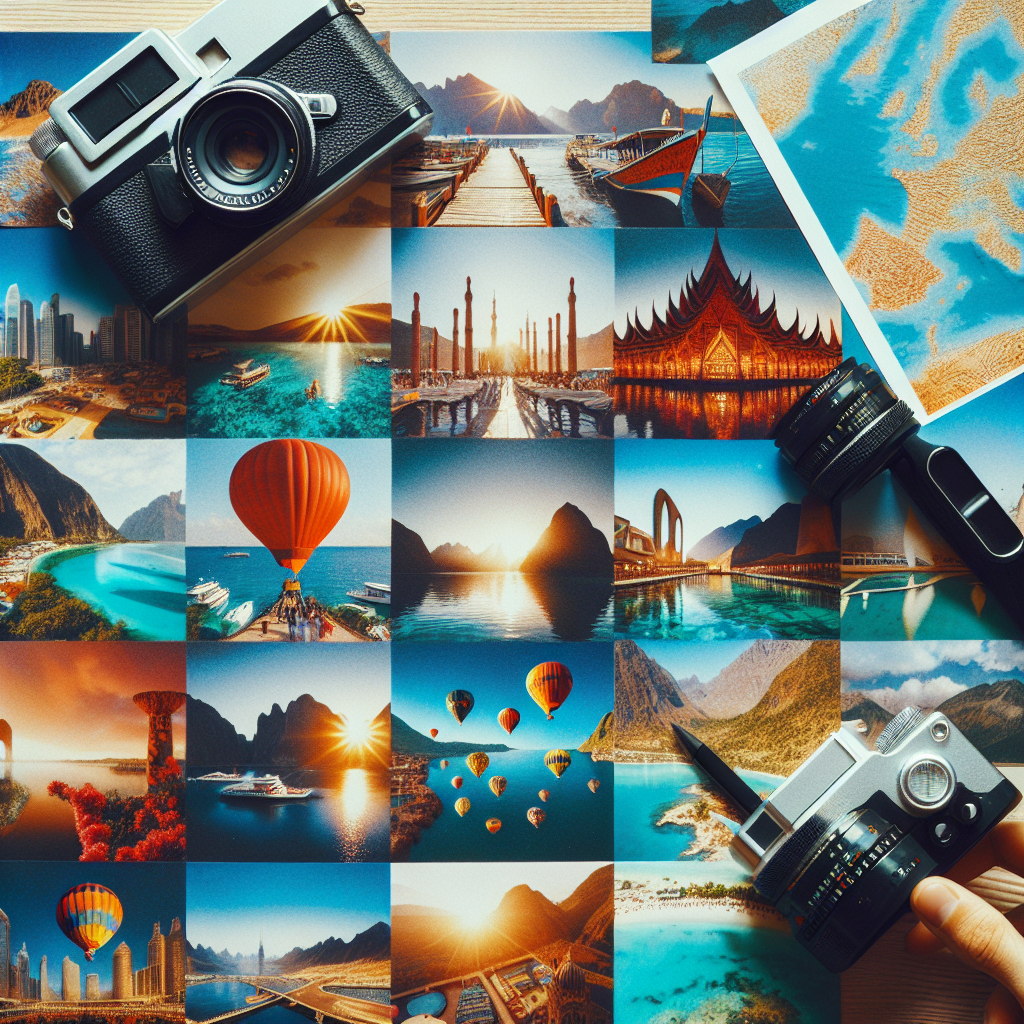
In my experience with travel branding strategies, I’ve learned that standing out in the crowded travel industry requires more than just good service or attractive visuals. It demands a deliberate approach to shaping a memorable brand that resonates globally. When I first started exploring travel branding strategies, I realized that differentiation is key to capturing the attention of international audiences. I want to share what I’ve learned about how to effectively implement these strategies to elevate your travel business.
Throughout my journey, I’ve discovered that mastering travel branding strategies involves understanding your target audience, crafting a compelling story, and utilizing the right digital tools. From my research, I know that successful travel brands don’t just sell destinations—they tell stories that inspire travelers to explore. In this article, I’ll guide you through practical steps to develop and refine your travel branding strategies to differentiate your business and attract a global following.
Understanding the Power of Travel Branding Strategies
Defining What Makes a Strong Travel Brand
When I began diving into travel branding strategies, I found that a strong brand starts with clarity. It’s about defining what makes your travel business unique and how you want to be perceived by travelers worldwide. I’ve discovered that successful brands have a clear mission and a consistent visual identity that communicates their core values. This consistency helps build trust and recognition across different markets.
From what I’ve learned, a compelling brand also evokes emotion. Whether it’s adventure, luxury, or cultural immersion, your brand should resonate on a personal level with your audience. In my experience, investing in authentic storytelling and visual branding is crucial for standing out. I recommend establishing a distinct voice and aesthetic that aligns with your target travelers’ desires, which is a fundamental part of travel branding strategies.
Why travel branding strategies Matter
I’ve found that in today’s digital age, your brand’s online presence can make or break your success. Effective travel branding strategies help differentiate your business amidst fierce competition. They also enable you to reach international audiences without geographical limits. From my experience, brands that invest in storytelling, visual consistency, and strategic positioning tend to attract more engaged travelers who identify with their values.
Furthermore, I believe that understanding how to adapt your travel branding strategies across different cultures is vital. What works in one market might not resonate in another, so I recommend conducting thorough research and localizing your messaging when necessary. These insights are integral to developing a globally appealing brand that stands out.
Crafting a Unique Brand Identity
Developing Your Brand Story
In my experience, an authentic and compelling travel branding strategies start with storytelling. I’ve learned that your brand story should communicate your passion, mission, and what makes your travel business different. When I crafted my own brand story, I focused on sharing real experiences and the values that drive my company. This authenticity helped me connect with travelers on a deeper level.
From what I’ve researched, a captivating story creates emotional engagement, which is essential for differentiation. I recommend integrating your unique journey, cultural influences, or environmental commitments into your narrative. This approach not only humanizes your brand but also positions you as a trustworthy and memorable choice for travelers worldwide.
Visual Identity and Consistency
I’ve discovered that visual branding—logos, color schemes, fonts—plays a crucial role in travel branding strategies. Consistency across all touchpoints reinforces your brand image and makes it easily recognizable. When I redesigned my website and marketing materials, I ensured that every element aligned with my brand’s personality and story.
From my experience, I recommend investing in high-quality visuals that evoke the emotions you want your audience to feel. Whether it’s vibrant travel photography or minimalist, elegant design, your visuals should reflect your brand’s core values and appeal to your target markets. This consistency is key to differentiating your business from competitors on a global scale.
Leveraging Digital Platforms for Global Reach
Optimizing Your Website for International Audiences
In my experience, your website is your primary tool for implementing travel branding strategies. I’ve found that optimizing your website for different languages and cultural preferences significantly enhances your global appeal. I recommend incorporating multilingual support, local currency options, and culturally relevant content.
From my research, SEO plays a vital role here. I’ve learned that using the right keywords, including travel branding strategies-related phrases, can improve your visibility in international search results. I suggest conducting keyword research specific to each target region and tailoring your content to meet local search habits and preferences.
Social Media as a Global Branding Tool
I’ve found that social media platforms are indispensable for travel branding strategies. Platforms like Instagram, Facebook, and TikTok allow me to showcase my brand’s personality and connect with a worldwide audience. I recommend creating culturally relevant content that appeals to diverse traveler segments.
From my experience, engaging with followers through comments, live sessions, and collaborations can boost your brand’s visibility and credibility. Consistently sharing authentic stories and visuals helps build a loyal community of travelers who resonate with your brand’s identity, making it easier to attract international clients.
Storytelling and Content Marketing
The Role of Content in Travel Branding Strategies
In my view, storytelling is at the heart of effective travel branding strategies. I’ve learned that valuable content—whether blogs, videos, or social media posts—serves to inspire and educate travelers about your destinations or services. Sharing real stories from travelers or behind-the-scenes looks has helped me build an emotional connection with my audience.
I recommend creating a content plan that emphasizes authenticity and value. When I focused on telling stories that highlight local culture, unique experiences, and personal journeys, I noticed a significant increase in engagement. This approach helps differentiate your brand and positions you as a trusted authority in your niche.
Content Distribution and Amplification
From my research, simply creating good content isn’t enough; you need to distribute it strategically. I’ve found that leveraging multiple channels—email newsletters, social media, partnerships—amplifies your reach. Consistency is key, and I recommend publishing regularly to stay top of mind.
In my experience, working with influencers and travel bloggers can also enhance your travel branding strategies. Their audiences can introduce your brand to new markets and help you build credibility. Overall, storytelling combined with strategic distribution is a powerful way to differentiate your brand on a global stage.
Measuring and Refining Your Travel Branding Strategies
Tracking Your Brand’s Performance
I’ve discovered that data is essential for refining <a href="#INTERNAL_LINK_travel branding strategies. Using analytics tools, I track website traffic, social media engagement, and conversion rates to understand what’s resonating with my audience. This insight allows me to adjust my messaging and visual branding to improve results.

I recommend setting clear KPIs aligned with your goals. Whether it’s increasing brand awareness or driving bookings, regularly analyzing your performance helps you stay on track and evolve your <a href="#INTERNAL_LINK_travel branding strategies effectively.
Adapting to Market Trends
In my experience, the travel industry is constantly changing, and <a href="#INTERNAL_LINK_travel branding strategies must adapt accordingly. I’ve found that staying informed about emerging trends—like eco-tourism or wellness travel—can help me tailor my branding efforts to current traveler preferences. Flexibility and innovation are crucial for remaining competitive globally.
I recommend continuously researching your markets and listening to traveler feedback. This proactive approach ensures your <a href="#INTERNAL_LINK_travel branding strategies stay relevant and effective in capturing new audiences and maintaining your brand’s growth.
References and Resources
Throughout my research on travel branding strategies, I’ve found these resources incredibly valuable. I recommend checking them out for additional insights:
Authoritative Sources on travel branding strategies
-
Forbes: Brand Strategies for the Travel Industry
forbes.comThis article offers insights into effective branding techniques tailored for travel businesses aiming for a global audience.
-
Tourism Review: Travel Marketing Ideas & Strategies
tourism-review.comProvides a comprehensive overview of innovative marketing and branding ideas to elevate your travel business globally.
-
UNWTO: Tourism Marketing and Branding
unwto.orgThe UN World Tourism Organization offers valuable research and guidelines on effective tourism marketing and branding strategies.
-
Harvard Business Review: Branding in the Digital Age
hbr.orgExplores how digital transformation influences branding, including key strategies for travel brands online.
-
Adweek: Travel Branding Must-Have Elements
adweek.comA practical guide on essential elements to incorporate into your travel branding strategies.
-
Tnooz: Branding in Travel Tech
tnooz.comFocuses on innovative branding tactics within travel technology, useful for modern travel brands.
-
American Marketing Association: Travel & Tourism Marketing
ama.orgOffers research and articles on marketing best practices, including travel branding strategies.
Frequently Asked Questions
What are the essential components of effective travel branding strategies?
In my experience, effective travel branding strategies include a clear brand identity, authentic storytelling, consistent visual elements, and a strong online presence. These components work together to build trust and recognition among your target audiences worldwide.
How can I differentiate my travel brand using <a href="#INTERNAL_LINK_travel branding strategies?
From what I’ve learned, differentiation comes through authenticity and unique storytelling. I recommend focusing on what makes your experiences or destinations unique, emphasizing your brand’s values, and delivering consistent messaging across all platforms to stand out globally.
How important is digital marketing in <a href="#INTERNAL_LINK_travel branding strategies?
I believe digital marketing is absolutely vital. My experience shows that optimizing your website, leveraging social media, and creating targeted content are essential for reaching and engaging international travelers effectively within your <a href="#INTERNAL_LINK_travel branding strategies.
What trends should I pay attention to in <a href="#INTERNAL_LINK_travel branding strategies?
Based on my research, staying updated on eco-tourism, wellness travel, and sustainable practices is crucial. These trends influence traveler preferences, and integrating them into your <a href="#INTERNAL_LINK_travel branding strategies can help you stay relevant and appealing globally.
Conclusion
In conclusion, my research on <a href="#INTERNAL_LINK_travel branding strategies has shown that building a distinctive, authentic, and consistent brand is essential for capturing a global audience. I believe that a well-crafted <a href="#INTERNAL_LINK_travel branding strategies combines storytelling, visual identity, and strategic digital marketing to differentiate your business effectively. I hope this guide helps you develop and refine your own <a href="#INTERNAL_LINK_travel branding strategies, so you can stand out in the competitive travel industry and inspire travelers worldwide.

Find out more information about “travel branding strategies”
Search for more resources and information:



Comments are closed