

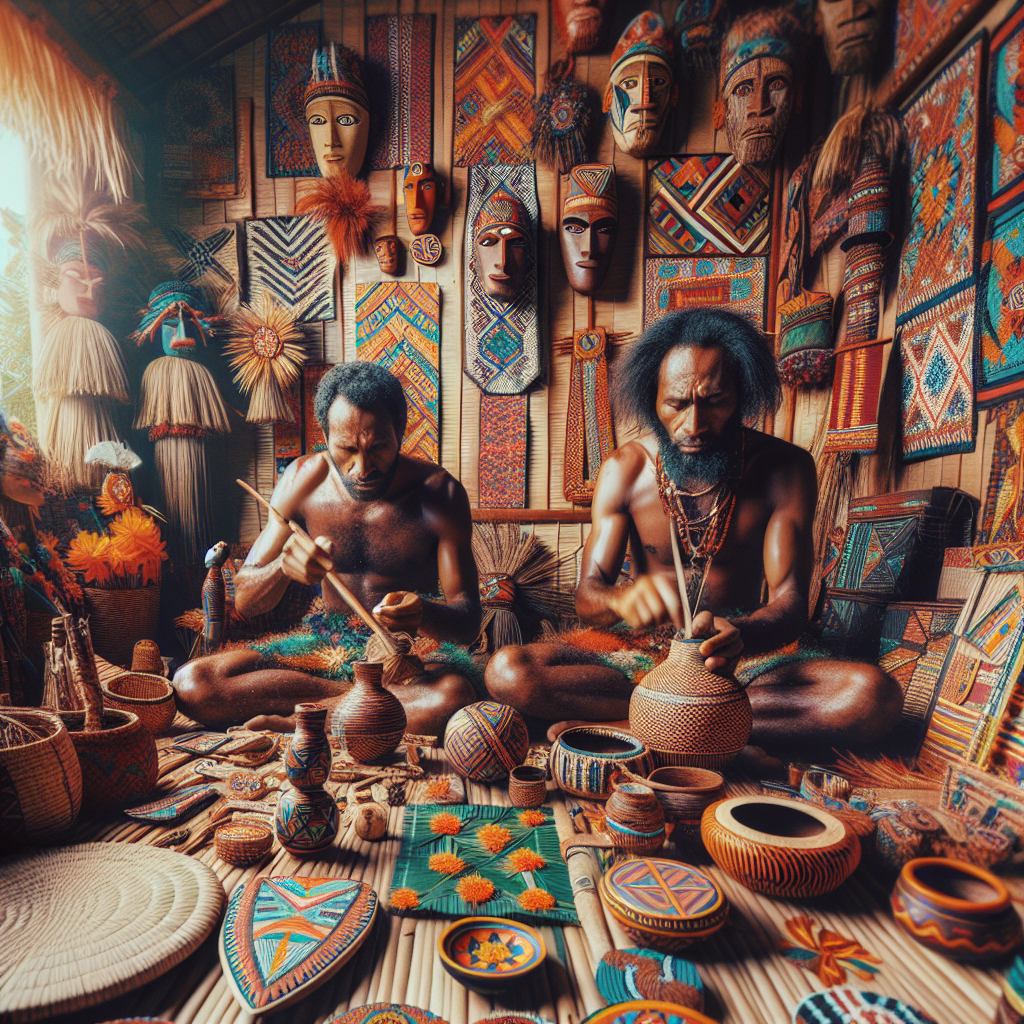
Understanding Fiji Local Art and Crafts
In my experience exploring Fiji, I’ve come to realize that Fiji local art and crafts are more than just beautiful souvenirs—they are the vibrant expressions of the islands’ rich cultural heritage. When I first started learning about these crafts, I was fascinated by how they encapsulate centuries of tradition, history, and community values. I want to share what I’ve learned about how these crafts serve as a window into Fijian life and identity, connecting us to the soulful heart of the islands.
From what I’ve researched, Fiji local art and crafts include a wide array of hand-made items—each telling a story about the islanders’ way of life. Whether it’s intricate weaving, wood carving, or traditional tattooing, every piece reflects a deep cultural significance. I’ve found that experiencing these crafts firsthand helps me understand the Fijian way of life better, and I believe that engaging with Fiji local art and crafts is essential for truly connecting with the islands’ spirit.
The Significance of Fiji Local Art and Crafts in Cultural Identity
Preserving Traditions Through Art
In my journey through Fiji, I’ve discovered that Fiji local art and crafts are vital for preserving traditional practices. I’ve seen how artisans pass down their skills from generation to generation, ensuring that cultural stories and techniques remain alive. These crafts serve as a living record of Fijian history, from the ancient vaka (canoe) carvings to traditional tapa cloth designs.
From what I’ve learned, supporting Fiji local art and crafts means more than buying souvenirs—it’s about honoring the cultural identities of the Fijian people. I recommend engaging with local artisans directly, as it gives you a chance to hear their stories and understand the significance behind their work. I believe that by appreciating these crafts, we help sustain the cultural heritage of Fiji for future generations.
Expressions of Social and Spiritual Life
In my experience, Fiji local art and crafts are also deeply intertwined with social and spiritual practices. For example, the traditional meke dance costumes and tatau (tattoos) are not just adornments—they’re expressions of identity, status, and spiritual beliefs. I’ve found that participating in or observing these crafts gives me a deeper respect for Fijian customs and their profound cultural roots.
From what I’ve observed, these crafts often play a role in ceremonies and community gatherings, reinforcing bonds and shared history. I recommend that travelers seek out opportunities to witness or even partake in traditional craft-making. Doing so allows us to connect more authentically with Fiji’s cultural core and appreciate the significance of Fiji local art and crafts.
My Personal Experiences with Fiji Local Art and Crafts
Discovering Handwoven Weaving
One of my most memorable experiences was visiting a small village where I watched women expertly weave mats and baskets using traditional techniques. I’ve learned that these woven items are not just practical but carry symbolic meanings. As I sat with the artisans, I felt a strong sense of community and tradition woven into every strand. I recommend everyone to take the time to learn about the stories woven into these crafts, as it deepens your appreciation for Fiji’s cultural fabric.
From my research and personal encounters, I’ve found that supporting Fiji local art and crafts helps empower local communities. I’ve bought handcrafted jewelry and fabrics directly from artisans, and it’s always a meaningful experience. These crafts are a testament to the skill and creativity of Fijian artisans, and I believe that purchasing authentic pieces helps preserve their craft traditions.
Experiencing Traditional Wood Carving
I’ve also had the chance to observe master wood carvers creating intricate figures and masks. I’ve discovered that Fijian wood carving is a revered art form, often depicting ancestral spirits and mythological stories. Watching these craftsmen at work, I felt the deep spiritual connection embedded in each piece. I recommend that travelers seek out local markets or workshops where they can see these talented artisans in action and perhaps even try their hand at carving.
My experience shows that engaging with Fiji local art and crafts on a personal level enriches the travel experience, making it more meaningful and memorable. Supporting these artisans ensures that their skills and stories continue to thrive in modern Fiji.
How to Explore Fiji Local Art and Crafts During Your Visit
Visiting Local Markets and Artisans’ Workshops
In my opinion, one of the best ways to experience Fiji local art and crafts is by exploring local markets. I’ve found that markets like Suva Market or the arts and crafts stalls in Nadi are treasure troves of authentic handmade items. I recommend spending time chatting with artisans, listening to their stories, and learning about the significance of their crafts. These genuine interactions offer a richer understanding of Fijian culture.
From my travels, I’ve also enjoyed visiting workshops where artisans produce their crafts. It’s inspiring to see the techniques firsthand and to understand the effort that goes into each piece. I believe that supporting local workshops not only gets you unique souvenirs but also helps sustain traditional craft practices in Fiji.
Participating in Cultural Tours and Craft Classes
I’ve discovered that many cultural tours in Fiji offer hands-on craft classes, from weaving to tapa cloth making. I’ve personally tried my hand at weaving, and it was a humbling yet rewarding experience. These classes give you a direct connection to Fiji local art and crafts and deepen your appreciation for the artisans’ skills.
I recommend that travelers seek out these opportunities, as they provide immersive experiences that go beyond typical sightseeing. Engaging actively with the crafts helps forge a personal connection to Fiji’s cultural heritage and supports local artisans in a meaningful way.
Supporting Fiji Local Art and Crafts: Tips for Travelers
Buy from Authentic Artisans
In my experience, purchasing directly from local artisans is the best way to ensure your support truly benefits the community. I’ve found that authentic Fiji local art and crafts purchased at markets or workshops often come with stories and cultural significance. I recommend asking questions about the crafts’ origins and the artisans’ backgrounds—it makes the experience more meaningful.
From what I’ve learned, avoid overly commercialized or mass-produced souvenirs, as they often lack the cultural authenticity that makes Fiji local art and crafts special. Supporting small-scale artisans helps preserve traditional techniques and keeps cultural heritage alive.
Share Your Experience Respectfully
I believe that sharing your appreciation for Fiji local art and crafts respectfully is crucial. In my travels, I’ve made sure to honor the artisans’ work by not only buying but also spreading awareness of their craftsmanship. I recommend photographing their work with permission and telling others about the stories behind the crafts.

Supporting these crafts also means respecting their cultural significance, so I advise being mindful and respectful in all interactions. Doing so helps foster a genuine appreciation and ensures the sustainability of Fiji’s artistic traditions.
References and Resources
Throughout my research on Fiji local art and crafts, I’ve found these resources incredibly valuable. I recommend checking them out for additional insights:
Authoritative Sources on Fiji local art and crafts
-
Fiji Village – Culture & Art
fijivillage.comProvides current news and features on Fijian arts, crafts, and cultural events, offering insights into ongoing traditions and community projects.
-
Fiji Government – Cultural Heritage
fijis.gov.fjOfficial government site detailing cultural preservation initiatives and policies supporting Fiji local art and crafts.
-
Fijian Art & Craft Magazine
fijianart.comAn online publication showcasing contemporary and traditional Fiji local art and crafts, highlighting artisans and their stories.
-
UNESCO – Intangible Cultural Heritage of Fiji
unesco.orgProvides detailed reports on Fiji’s intangible cultural heritage, including traditional crafts and practices that UNESCO recognizes for preservation.
-
Fijian Handicrafts Association
fijianhandicrafts.comA resource dedicated to promoting and supporting Fiji local art and crafts businesses, with directories and artisan profiles.
-
Arts Fiji
artfiji.comShowcases contemporary Fijian artists and their work, blending tradition with modern expressions of Fiji local art and crafts.
-
Fiji Cultural Foundation
culturalfiji.orgFocuses on cultural preservation efforts, including traditional crafts, festivals, and community initiatives in Fiji.
Frequently Asked Questions
What are the most popular forms of Fiji local art and crafts?
In my experience, the most popular forms include handwoven mats and baskets, tapa cloth printing, wood carvings, and traditional jewelry made from shells and bones. These crafts are deeply rooted in Fijian culture and are often used in ceremonies or as symbols of identity.
How can I support Fiji local art and crafts responsibly?
My advice is to buy directly from local artisans or reputable markets to ensure your support benefits the community. I’ve found that engaging respectfully and asking about the origins of the crafts helps create meaningful connections and promotes authentic craftsmanship.
Why is experiencing Fiji local art and crafts important for travelers?
I believe that engaging with Fiji local art and crafts offers a deeper understanding of the island culture beyond sightseeing. It allows travelers to connect personally with Fijian traditions, stories, and artisans, making the journey more meaningful and memorable.
Are there workshops or classes to learn Fiji local art and crafts?
Yes, many cultural tours and community centers in Fiji offer hands-on workshops, such as weaving and tapa cloth making. I highly recommend participating in these classes to gain a personal connection and better appreciation for the craftsmanship involved in Fiji local art and crafts.
Conclusion
In conclusion, my research on Fiji local art and crafts has shown me that they are much more than decorative items—they are the living heartbeat of Fijian culture. I believe that immersing yourself in these crafts offers a unique window into the islands’ history, spirituality, and community spirit. I hope this guide helps you appreciate the profound significance of Fiji local art and crafts and encourages you to support local artisans during your visit. By doing so, you not only gain authentic souvenirs but also contribute to the preservation of Fiji’s treasured cultural heritage.

Find out more information about “Fiji local art and crafts”
Search for more resources and information:



Comments are closed