

Introduction
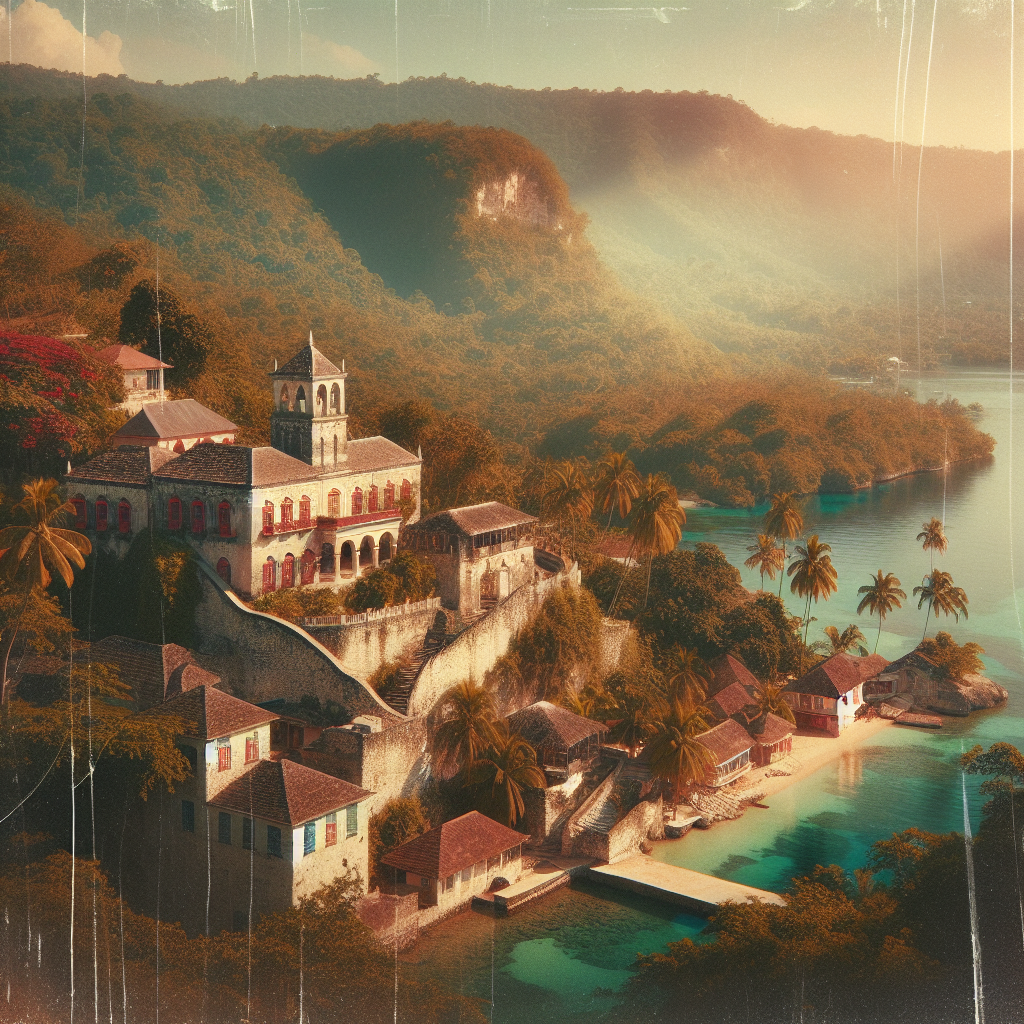
In my experience with Jamaica historic landmarks, I’ve found that they’re more than just monuments or buildings; they’re living testaments to the island’s rich and complex history. When I first started exploring Jamaica, I was eager to understand its cultural roots and the stories behind its most iconic sites. I want to share what I’ve learned about these incredible Jamaica historic landmarks and why they’re essential to appreciating the island’s heritage.
Throughout my travels and research, I’ve discovered that Jamaica’s history is woven into its landmarks, from colonial forts to spiritual sites. I believe that exploring these Jamaica historic landmarks offers a deeper connection to the island’s past and the resilience of its people. I invite you to join me on this journey through some of the most fascinating sites I’ve encountered.
Exploring Iconic Jamaica Historic Landmarks
Historical Significance of Devon House
One of my favorite Jamaica historic landmarks is Devon House in Kingston. From what I’ve learned, this mansion is a symbol of Jamaica’s colonial past and entrepreneurial spirit. Visiting Devon House was like stepping back in time—its architecture, lush gardens, and historical exhibits offer a vivid glimpse into 19th-century Jamaican life.
I recommend taking a guided tour because the stories shared about the original owner, George Stiebel, and the estate’s evolution are truly captivating. In my experience, understanding the history behind this site deepens my appreciation for Jamaica’s resilience and cultural diversity. It’s a must-visit for anyone interested in Jamaica historic landmarks that combine history with beauty.
The Historic Fort Charles
From my research, Fort Charles in Port Royal is another remarkable Jamaica historic landmark. I’ve found that this fort played a pivotal role during Jamaica’s colonial era, especially in defending the island against pirates and invading forces. The ruins of Fort Charles are a powerful reminder of Jamaica’s strategic importance in Caribbean history.
When I visited, I was struck by the panoramic views of the harbor and the sense of history that permeates the site. I recommend exploring the cannons and the remaining walls, imagining the battles fought here. For me, Fort Charles exemplifies how Jamaica historic landmarks can tell stories of conflict, resilience, and heritage.
St. James Parish Church
Another Jamaica historic landmark that I found fascinating is the St. James Parish Church in Montego Bay. This church has stood for centuries and reflects the religious and cultural evolution of Jamaica. Visiting this site, I was impressed by its colonial architecture and the stories of the community that have worshipped here for generations.
From what I’ve learned, the church also played a role in Jamaica’s social history—serving as a gathering place during pivotal moments in the island’s development. I recommend attending a service or simply walking through to absorb the peaceful, historic atmosphere. It’s a testament to how Jamaica historic landmarks can serve as spiritual and cultural anchors.
Hidden Gems Among Jamaica Historic Landmarks
Seville Heritage Park
In my experience, many people overlook Seville Heritage Park, yet it’s a treasure among Jamaica historic landmarks. Located near Kingston, this site showcases the island’s indigenous Taino culture and early colonial history. I’ve found that walking through the ruins and artifacts here offers a unique perspective on Jamaica’s ancient past.
From my research, Seville Heritage Park contains the only remaining Taino artifacts on the island, making it a vital site for understanding Jamaica’s pre-colonial history. I recommend spending time here, especially at the museum, to truly appreciate the depth of Jamaica’s heritage beyond the more well-known landmarks. It’s a hidden gem that enriches any visit to Jamaica historic landmarks.
Rose Hall Great House
While many tourists flock to Jamaica’s beaches, I’ve discovered that Rose Hall Great House is an intriguing Jamaica historic landmark with a spooky charm. Located in Montego Bay, this plantation house is famous for its ghost stories and its history of sugar production.
Visiting Rose Hall, I was captivated by the architecture and the stories of Annie Palmer, the so-called “White Witch of Rose Hall.” I recommend taking the guided night tour, which adds a thrilling layer to the experience. From my perspective, sites like Rose Hall provide a compelling glimpse into Jamaica’s colonial and plantation history, making it a must-see among Jamaica historic landmarks.
Old Harbour Lighthouse
Another lesser-known but fascinating Jamaica historic landmarks is the Old Harbour Lighthouse. I’ve found that lighthouses often symbolize maritime history, and this one is no exception. Sitting on Jamaica’s southern coast, it’s a quiet place that speaks to the island’s navigational past.
From what I’ve read, this lighthouse has guided ships for over a century, contributing to Jamaica’s trade and development. I recommend visiting during sunset for stunning views and a moment of reflection on Jamaica’s relationship with the sea. It’s a peaceful yet historically rich site that adds depth to the story of Jamaica’s maritime heritage.
Preserving Jamaica’s Heritage: My Insights
In my experience, the preservation of Jamaica historic landmarks is vital for future generations. I’ve learned that many sites face threats from urban development and neglect, which makes it all the more important to support conservation efforts. From my research, the Jamaican government and local organizations are working hard to maintain these treasures, but community involvement is crucial.
I believe that visitors like us can make a difference by respecting the sites, learning their stories, and spreading awareness. I recommend engaging with local guides and historians, as they provide invaluable insights that deepen our appreciation. In my view, protecting Jamaica’s historic landmarks ensures that their stories continue to inspire and educate future generations.
References and Resources
Throughout my research on Jamaica historic landmarks, I’ve found these resources incredibly valuable. I recommend checking them out for additional insights:
Authoritative Sources on Jamaica historic landmarks
-
Jamaica Heritage & Culture
JamaicaTravel.comAn extensive resource detailing Jamaica’s cultural sites, including detailed histories of its historic landmarks.
-
Jamaica Tourism Board – Heritage Sites
JamaicaTourism.comOfficial tourism site providing detailed descriptions of Jamaica’s historic landmarks and preservation efforts.
-
National Library of Jamaica – Heritage Collection
NLJ.gov.jmAcademic articles and historical archives focusing on Jamaica’s colonial and indigenous history.
-
The Gleaner – Jamaica History
JamaicaGleaner.comReputable news outlet with articles on Jamaica’s historical sites and cultural preservation initiatives.
-
Jamaican Heritage Foundation
JamaicanHeritage.comOrganization dedicated to preserving and promoting Jamaica’s historic landmarks and cultural history.
-
Caribbean Heritage Organization
CaribbeanHeritage.orgResearch and articles on Caribbean historical sites, including Jamaica’s rich cultural landscape.
-
British Museum – Caribbean Collections
BritishMuseum.orgOffers insights into artifacts and histories related to Jamaica’s indigenous and colonial past.

-
Jamaica National Trust
JamaicaNationalTrust.orgDedicated to preserving Jamaica’s historic sites and promoting cultural education.
Frequently Asked Questions
What are some must-visit Jamaica historic landmarks for first-time visitors?
In my experience, I recommend starting with Devon House, Fort Charles, and the Rose Hall Great House. These sites offer a broad perspective on Jamaica’s colonial, cultural, and social history. Each provides unique insights into the island’s past and the stories behind Jamaica historic landmarks that have shaped its identity.
How can I contribute to the preservation of Jamaica historic landmarks?
From what I’ve learned, supporting local preservation efforts, respecting the sites, and spreading awareness are crucial. I recommend engaging with guided tours led by knowledgeable locals, as they often emphasize conservation. In my view, each visitor has a role in ensuring these Jamaica historic landmarks remain for future generations.
What is the significance of Jamaica’s indigenous Taino sites among its historic landmarks?
Based on my research, Taino sites like Seville Heritage Park are essential because they represent Jamaica’s pre-colonial history and indigenous culture. I’ve found that understanding these sites broadens our perspective beyond colonial narratives, highlighting the island’s deep-rooted history before European contact.
Are there any lesser-known Jamaica historic landmarks worth exploring?
Absolutely. I believe places like the Old Harbour Lighthouse and lesser-trodden ruins in rural areas hold incredible stories and offer authentic experiences. These sites often have fewer visitors, allowing for a more personal connection to Jamaica’s history and a richer understanding of its diverse heritage.
How do Jamaica historic landmarks reflect the island’s cultural diversity?
From my perspective, the variety of Jamaica historic landmarks—from colonial forts to indigenous sites—mirrors the island’s multicultural roots. Visiting these sites, I see the influences of African, European, and indigenous cultures, which together create the vibrant heritage I cherish and want to share.
Conclusion
In conclusion, my research on Jamaica historic landmarks has shown that these sites are invaluable windows into the island’s past. I believe that exploring and supporting their preservation not only enriches our understanding but also helps safeguard Jamaica’s cultural identity for future generations. I hope this guide helps you appreciate the depth and diversity of Jamaica’s historic treasures as much as I do.

Find out more information about “Jamaica historic landmarks”
Search for more resources and information:



Comments are closed