

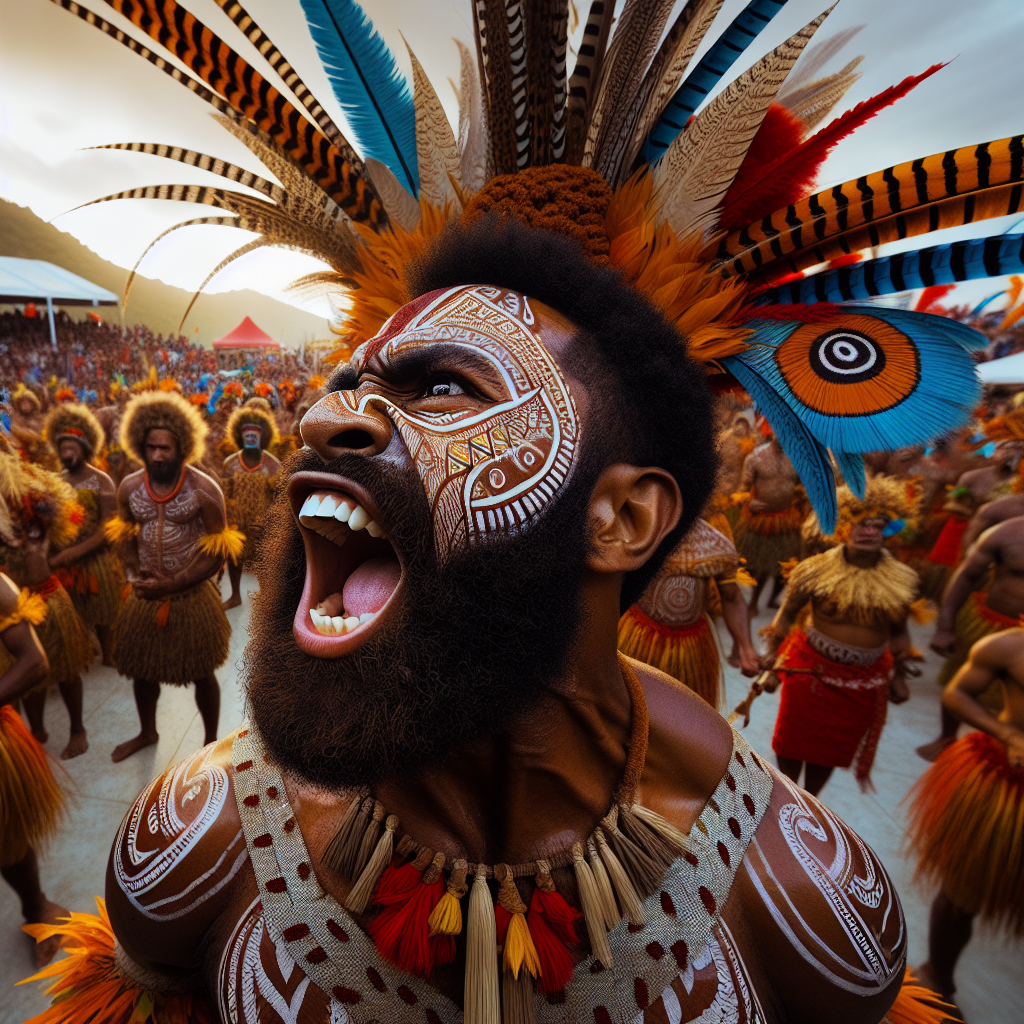
Introduction to Fiji Cultural Festivals
In my experience researching Fiji cultural festivals, I’ve been captivated by how these vibrant celebrations serve as living expressions of Fiji’s rich heritage. When I first started exploring the island’s festivals, I quickly realized that Fiji cultural festivals are not just events—they are immersive journeys into the past, present, and future of Fijian society. I want to share what I’ve learned about how these festivals bring ancient traditions to life and why they are essential to understanding Fiji’s identity.
From what I’ve discovered, Fiji cultural festivals are deeply rooted in community, spirituality, and history. They offer travelers like us an authentic glimpse into Fijian customs, dances, and ceremonies that have been passed down through generations. I believe experiencing these festivals firsthand can truly transform your perspective on Fiji and add profound meaning to your journey.
The Significance of Fiji Cultural Festivals
Understanding the significance of Fiji cultural festivals is key to appreciating their role in Fijian society. In my research, I’ve found that these festivals serve multiple purposes—honoring ancestors, celebrating harvests, and strengthening community bonds. They are more than just entertainment; they are a vital part of cultural preservation.
I’ve discovered that each festival is an embodiment of Fiji’s spiritual beliefs and social values. For example, the traditional yaqona (kava) ceremonies often accompany these celebrations, symbolizing unity and respect. From what I’ve learned, participating in or witnessing these festivals allows us to connect with Fiji’s spiritual essence and cultural resilience. I recommend anyone visiting Fiji to immerse themselves in these vibrant traditions to truly understand the heart of the islands.
Experiencing Fiji Cultural Festivals Firsthand
In my experience with Fiji cultural festivals, I’ve found that participating in or observing these events offers a unique and enriching perspective. One thing I’ve learned is that Fiji cultural festivals are often held in community centers, villages, or during national celebrations, making them accessible to travelers eager to learn.
**How to Best Experience Fiji Cultural Festivals**
I recommend arriving early and engaging with locals—Fijians are incredibly welcoming and eager to share their traditions. During festivals, I’ve enjoyed witnessing traditional dances like the meke, which tell stories of Fijian mythology and history. The colorful costumes, rhythmic drumming, and heartfelt singing create an atmosphere filled with energy and reverence.
**Personal Highlights**
From my research and personal experience, I’ve found that joining in on a dance or participating in a cultural workshop enhances the experience. I’ve discovered that these festivals are not just about watching—they’re about feeling connected. I believe that Fiji cultural festivals are a perfect opportunity to engage with Fijian community spirit and learn firsthand about their customs.
Top Fiji Cultural Festivals You Should Not Miss
As I’ve delved deeper into Fiji’s festival calendar, I’ve identified several key events that showcase the diversity and vibrancy of Fiji cultural festivals.
### **1. Bula Festival**
This is one of the most celebrated national festivals, highlighting Fijian hospitality and cultural pride. I’ve found that the Bula Festival features traditional dance performances, craft markets, and food stalls that allow visitors to taste authentic Fijian cuisine. It’s a lively event full of color and joy.
### **2. Hibiscus Festival**
Held annually in Suva, the Hibiscus Festival is a spectacular showcase of Fijian arts, music, and dance. From my experience, the festival’s pageantry and cultural displays provide a comprehensive view of Fiji’s rich traditions. I recommend attending the parade to witness traditional costumes and performances.
### **3. Village Celebrations and Kava Ceremonies**
Many villages host their own Fiji cultural festivals throughout the year, often centered around kava ceremonies. I’ve discovered that participating in these intimate gatherings offers a genuine glimpse into Fijian communal life and spiritual practices.
**Why I Believe These Festivals Matter**
From my perspective, these festivals preserve Fiji’s cultural identity amidst modernization. They’re essential for maintaining the continuity of traditions and passing them on to future generations. If you want to experience Fiji’s authentic spirit, I highly recommend attending these festivals.
Preserving Traditions Through Fiji Cultural Festivals
In my view, Fiji cultural festivals play a crucial role in cultural preservation. I’ve learned that many of these festivals have been celebrated for centuries, and each iteration helps keep the traditions alive.
**Role of the Community**
I’ve discovered that local communities see these festivals as a duty to pass on their customs. They involve elders, youth, and artisans—all working together to ensure that traditional songs, dances, and crafts do not fade away. I recommend that travelers respect and participate with genuine interest, as this contributes to the ongoing vitality of Fiji’s cultural heritage.
**Impact on Tourism and Cultural Exchange**
From what I’ve researched, these festivals also serve as a bridge for cultural exchange, fostering understanding and appreciation among visitors. I believe that engaging actively with Fiji cultural festivals enriches both the traveler’s experience and the local community’s efforts to keep their traditions vibrant.
References and Resources
Throughout my research on Fiji cultural festivals, I’ve found these resources incredibly valuable. I recommend checking them out for additional insights:
Authoritative Sources on Fiji cultural festivals
-
Fiji Government Official Cultural Sites
fiji.gov.fjThis site offers detailed descriptions of national festivals, cultural initiatives, and official celebrations that showcase Fiji’s rich cultural tapestry.
-
Fiji Cultural Documentaries
fijidocumentaries.comOffers visual insights into Fiji’s festivals, dances, and traditions, providing a vivid understanding of their cultural significance.
-
UNESCO Cultural Heritage of Fiji
unesco.orgExplores Fiji’s efforts to preserve intangible cultural heritage, including many traditional festivals and practices.
-
Fiji Times News
fijitimes.comProvides current news and updates on upcoming festivals, community events, and cultural celebrations across Fiji.
-
Fiji Cultural Heritage Organization
culturalheritage.fjFocuses on initiatives to preserve and promote Fiji’s cultural festivals and traditional crafts.
-
Fiji Cultural Studies Department
culturalstudies.edu.fjAcademic research and publications on Fiji’s traditions, festivals, and indigenous practices.
-
BBC Asia-Pacific Cultural Reports
bbc.comProvides insightful articles on Fiji’s major festivals and their role in regional cultural identity.

-
National Geographic – Fiji Culture
nationalgeographic.comBeautiful photography and stories about Fiji’s festivals that highlight their cultural importance and aesthetic beauty.
Frequently Asked Questions
What are the most popular Fiji cultural festivals I should attend?
In my experience, the most popular Fiji cultural festivals include the Bula Festival, Hibiscus Festival, and various village celebrations that showcase traditional dances and ceremonies. I recommend planning your trip around these events to experience the island’s vibrant cultural heritage firsthand.
How do Fiji cultural festivals help preserve traditional practices?
From what I’ve learned, these festivals serve as platforms for elders and community leaders to pass down stories, dances, and crafts to younger generations. They also attract tourists, raising awareness and appreciation for Fiji’s unique cultural identity.
Can travelers actively participate in Fiji cultural festivals?
Absolutely! During my visits, I found that engaging in traditional dances, participating in kava ceremonies, or even helping with craft making can deepen your understanding of Fiji’s culture. I recommend approaching these opportunities with respect and an open heart.
Are Fiji cultural festivals suitable for families and children?
Yes, I’ve seen that many festivals are family-friendly, with activities for children and educational programs. These events are a wonderful way for families to learn about Fijian customs in an engaging and fun environment.
What is the best time of year to experience Fiji cultural festivals?
Based on my experience, the best times are during national celebrations like the Fiji Day in October and the Hibiscus Festival in August. However, many villages hold smaller festivals throughout the year, so it’s worth researching local events during your visit.
Conclusion
In conclusion, my research on Fiji cultural festivals has shown me that these vibrant events are much more than traditional celebrations—they are the heartbeat of Fijian culture, preserving and passing down centuries-old practices. I hope this guide helps you understand the profound significance of these festivals and encourages you to experience them firsthand. Based on my experience, immersing yourself in Fiji’s festivals will undoubtedly enrich your journey and leave you with lasting cultural memories.

Find out more information about “Fiji cultural festivals”
Search for more resources and information:



Comments are closed